In this article
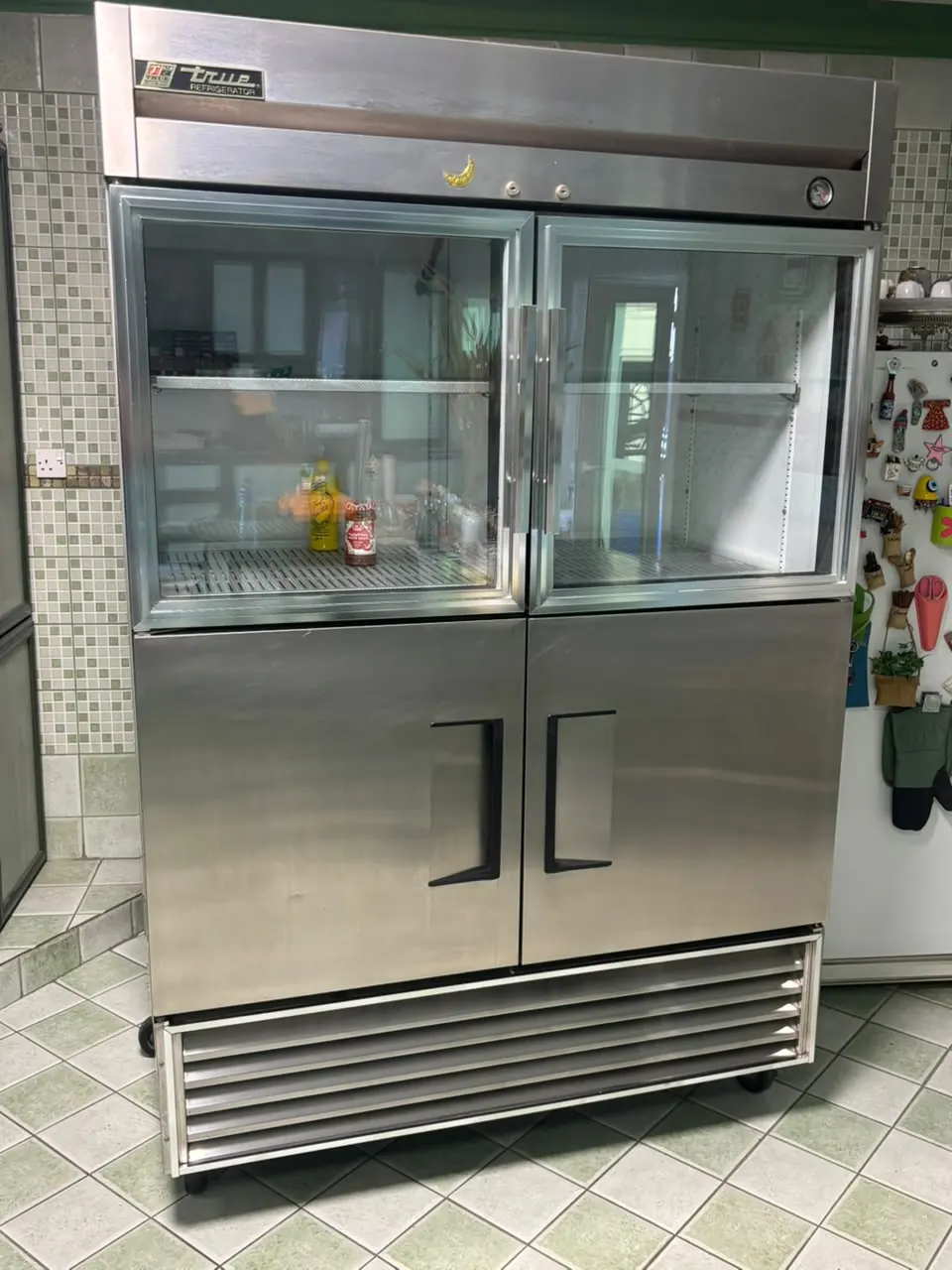
A fridge doesn’t make cold. It moves heat from the inside to the room. The hotter the room, the harder that is. In a Kuwaiti summer, a fridge in a hot kitchen or storeroom can run almost non-stop, and that is when worn parts give up.
Check what your fridge is rated for
Every fridge has a climate class on the label inside. It tells you the room temperatures it was designed to work in. For Kuwait, look for T (tropical).
| Climate class | Room temperature it’s designed for |
|---|---|
| SN | 10 to 32 °C |
| N | 16 to 32 °C |
| ST | 16 to 38 °C |
| T | 16 to 43 °C |
If yours is N or SN and it stands in an uncooled room, it will struggle in July whatever else you do. Keep it in an air-conditioned space.
Give it room to breathe
The heat leaves through the back and sides. Pushed tight against a wall or boxed into a cabinet, the fridge recirculates its own hot air. Leave the gap your manual recommends, usually a few centimetres at the sides and more at the back.
- Keep it away from the oven, the hob and direct sunlight
- Avoid uncooled storerooms, courtyards and roofs in summer
- Don’t stack boxes or bags on top of it
Clean the coils before summer
-
1
Unplug the fridgeAlways, before you touch anything at the back.
-
2
Pull it out gentlyLift the front feet slightly if it has them, so you don’t scratch the floor.
-
3
Vacuum the coilsUse a soft brush attachment. Don’t bend the thin fins.
-
4
Push back and waitLeave the gap at the back, and wait a few minutes before plugging it back in.
Fridge repair
Not cooling, gas recharge, compressor, thermostat, noise, water leaks and no-frost faults.
- Not cooling
- Gas recharge
- Compressor
- No-frost
Set it sensibly
Around 3 to 4 °C for the fridge and −18 °C for the freezer is right for most homes. Turning it to maximum in summer doesn’t make it cool faster; it only makes it run longer and can freeze food at the back.
Power cuts and plugs
After a power cut, wait a few minutes before switching the fridge back on so the compressor can restart cleanly. Where the supply often dips or surges, a plug-in voltage protector is a sensible small purchase.
Signs it’s struggling
- The sides feel much hotter than usual
- It runs non-stop and never clicks off
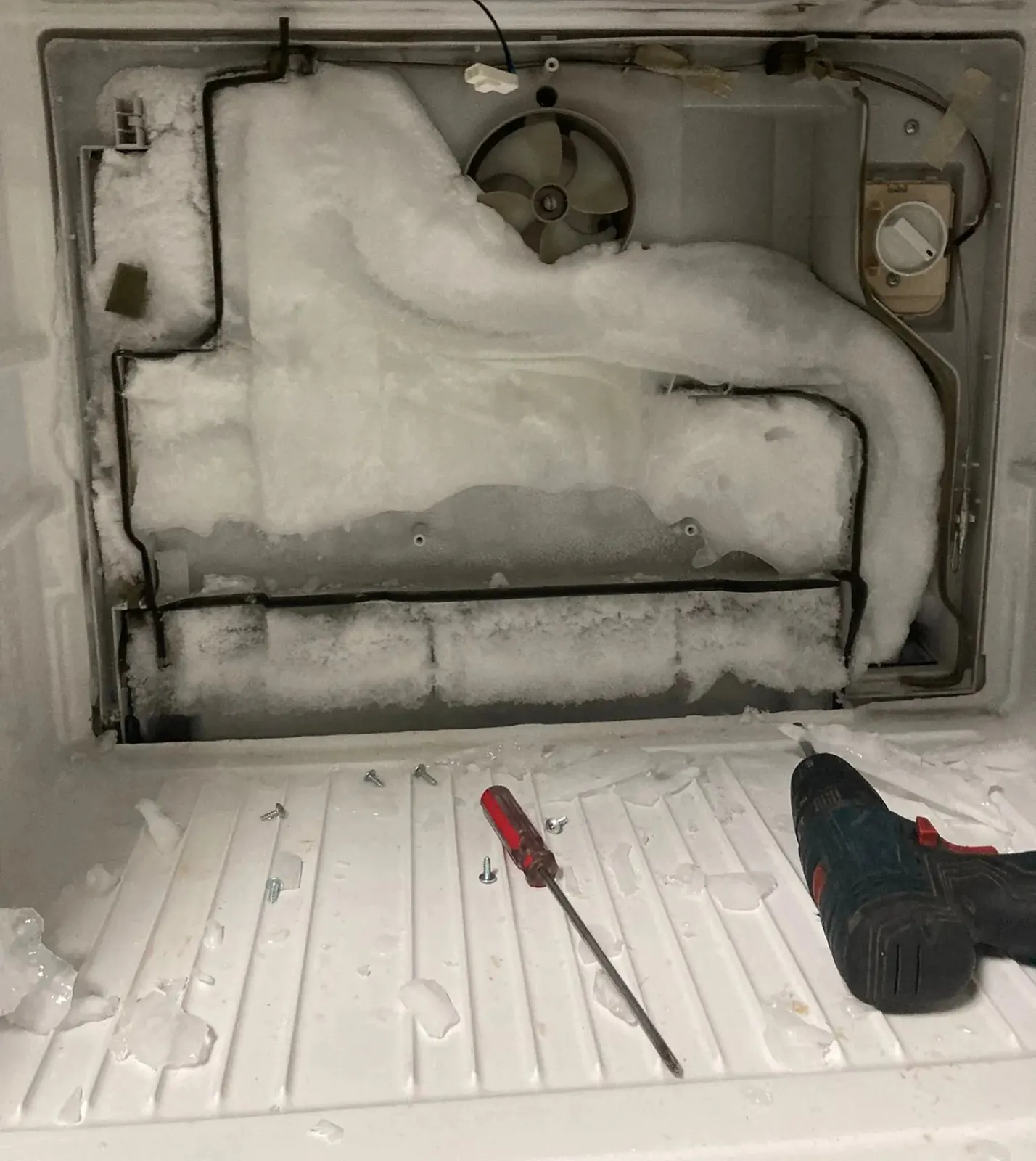
- Frost is building on the back wall
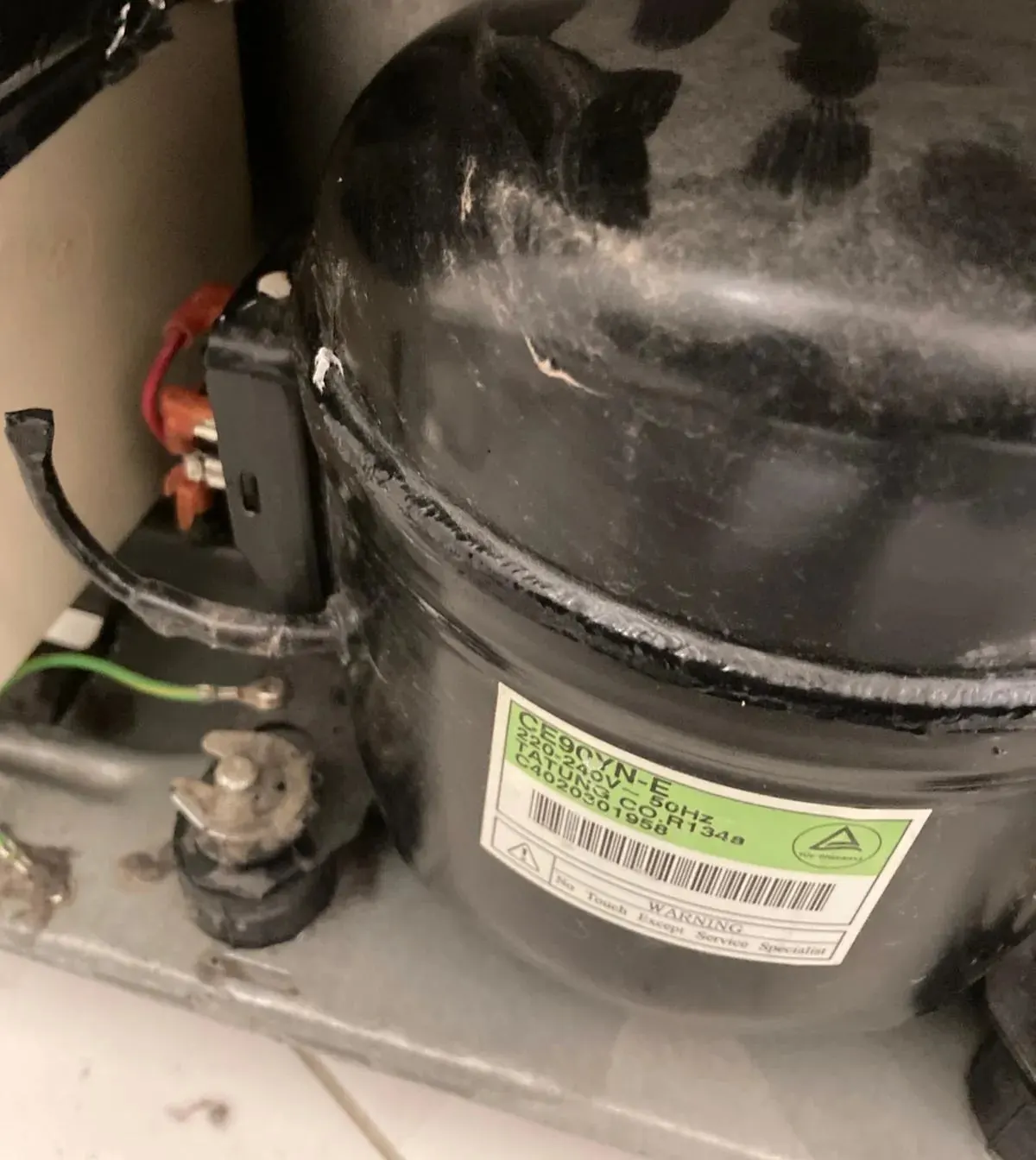
- It clicks every few minutes but the motor doesn’t start
Any of these in summer is worth a call before it stops altogether. A thermostat or relay replaced early is much easier than a full breakdown on a 48-degree day.
Questions people ask
Should I switch my fridge off at night to rest it?
No. It is designed to run continuously, and restarting a warm fridge works it harder.
Is it OK to keep a fridge in the courtyard or storeroom?
Only if the space is cooled, or the fridge is rated T and well ventilated. Even then, expect it to work much harder in summer.
How often should the coils be cleaned?
Once a year before summer is enough for most homes; twice if the area is very dusty.